

Recording an electric guitar amp with a microphone is a great way to capture the sound of your guitar and amplifier. However, choosing the right microphone can make a difference to your recording.
Two common options are dynamic and condenser microphones. Both can record guitar amps well, but they work differently and have their own strengths.
If you are setting up a home recording space or building a small studio, understanding these differences will help you choose the right microphone.
What Is a Dynamic Microphone?
A dynamic microphone uses a moving coil to convert sound into an electrical signal. It has a simple, durable design and can handle loud sound sources.
Dynamic microphones are popular for recording guitar amps because they can capture loud, distorted tones without much trouble.
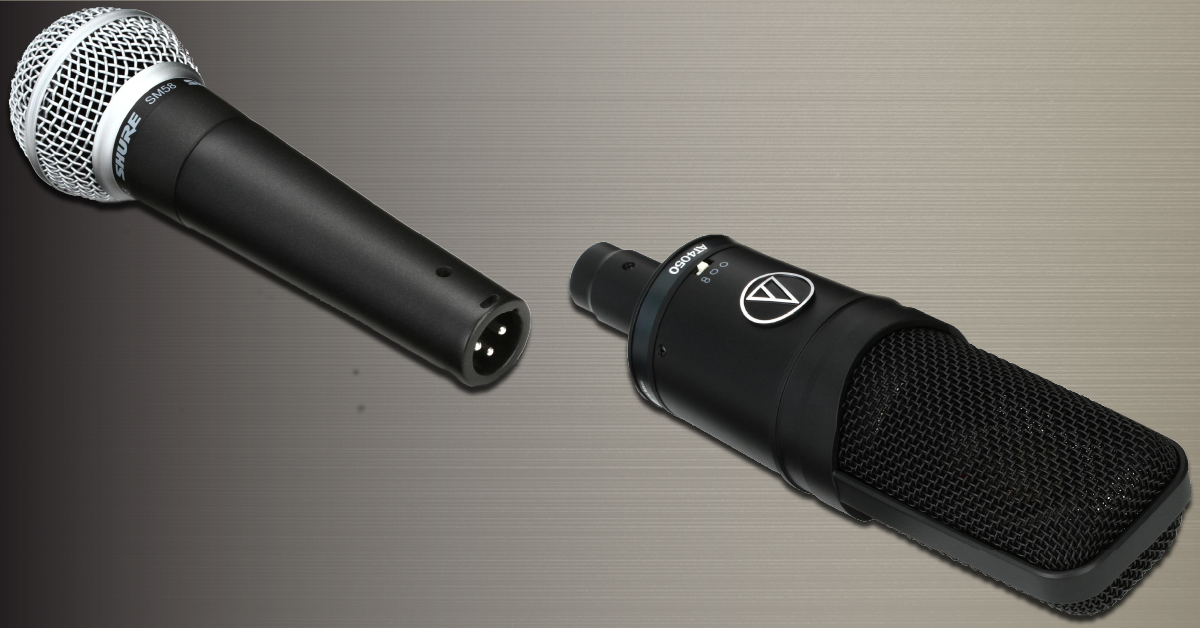
One of the best-known examples is the Shure SM57. It is widely used in studios and live sound setups to record electric guitar amps.
Dynamic microphones are often a good starting point for beginners because they are durable, versatile and usually do not require phantom power.

What Is a Condenser Microphone?
A condenser microphone uses a different design to capture sound. It is generally more sensitive to subtle details and changes in sound.
Condenser microphones are commonly used for vocals, acoustic instruments and studio recording. They can also work well on electric guitar amps.
When recording a guitar cabinet, a condenser microphone may capture more high-frequency detail and room sound, depending on its design and placement.
Most studio condenser microphones require phantom power, usually 48V, supplied by a compatible audio interface, mixer or preamp.
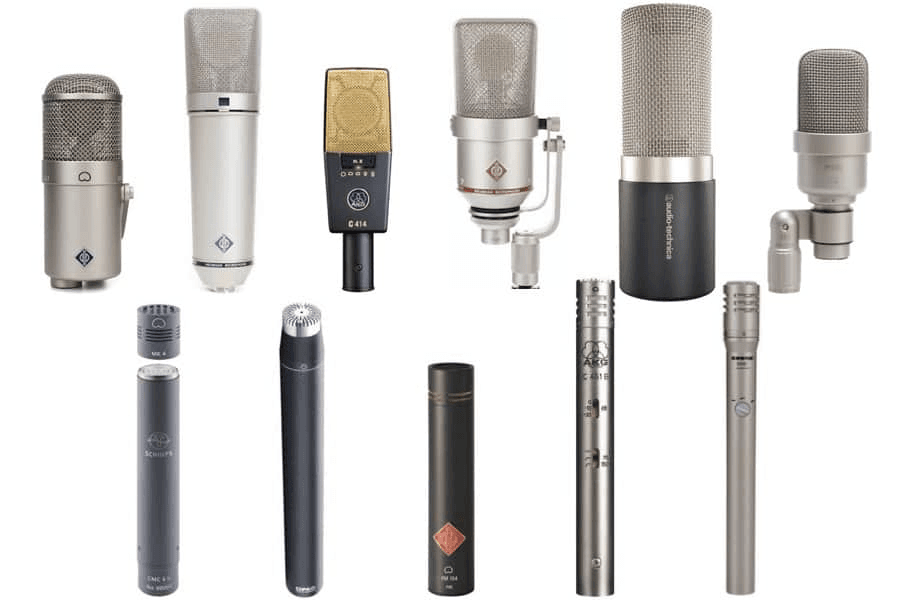
Dynamic vs Condenser Microphones for Guitar Amps
Here are the main differences to consider.
| Feature | Dynamic microphone | Condenser microphone |
|---|---|---|
| Sound character | Often focused and punchy | Often detailed and clear |
| Handling loud amps | Usually excellent | Depends on its maximum SPL rating |
| Sensitivity | Generally less sensitive | Generally more sensitive |
| Room sound | Often easier to keep focused on the amp | May capture more room sound |
| Phantom power | Usually not required | Usually required for studio models |
| Durability | Generally very durable | Often needs more careful handling |
| Common use | Electric guitar amps and live sound | Studio recording and detailed sound capture |
These are general differences. The exact sound depends on the microphone model, the guitar amp, the room and the microphone position.
Which Microphone Is Better for Distorted Guitar?
A dynamic microphone is often the easiest choice for recording high-gain guitar tones.
Distorted guitar sounds can have strong midrange frequencies and a lot of energy in the upper frequencies. A dynamic microphone placed close to the speaker can capture a focused sound that sits well in a rock or metal mix.
The Shure SM57 is a common choice for this job. It can produce a punchy guitar sound without requiring an expensive recording setup.
However, a condenser microphone can work well too. Some models capture useful detail in the upper frequencies, which can help a guitar part stand out in a mix.
The best choice depends on the tone you want. Try both types if you have access to them.
Which Microphone Is Better for Clean Guitar?
Both types can record clean guitar tones effectively.
A dynamic microphone can produce a warm, focused sound that works well for clean electric guitar.
A condenser microphone may capture more high-frequency detail and subtle changes in the performance. This can be useful for clean tones that rely on clarity, picking dynamics and effects such as chorus or reverb.
If you want to capture the sound of the room along with the amp, a condenser microphone may be worth trying. Make sure your recording space sounds good, since a more sensitive setup can reveal unwanted room reflections.
Can You Use a Condenser Microphone on a Loud Guitar Amp?
Yes, provided the microphone can handle the sound pressure level.
Check the microphone's maximum SPL specification before placing it in front of a loud guitar cabinet. Some condenser microphones can handle high volume levels, while others may be better suited to quieter sources.
You should also check the microphone's placement and input level. If the recording clips, lower the gain or move the microphone farther from the speaker.
Do not assume every condenser microphone is too sensitive for guitar amps. Many are designed to record loud sources.
Where Should You Place the Microphone?
Microphone placement can have as much impact on your recording as the microphone type.
For a close-miked guitar cabinet, start by placing the microphone a few centimetres from the speaker grille.
- At the centre of the speaker: The sound is often brighter and more aggressive.
- Near the edge of the speaker: The sound is often darker and smoother.
- Angled toward the speaker: This can change the balance of high frequencies and the overall tone.
- Farther from the cabinet: This can capture more of the room, depending on the space and microphone pattern.
Move the microphone in small steps and listen to the results. You do not always need to change your amplifier settings to find a better tone.
If you use two microphones at once, check for phase problems. The combined sound may become thinner if the signals interfere with each other.
Do You Need an Audio Interface?
If you want to record a guitar amp directly with a microphone into a computer, you will usually need an audio interface with a microphone preamp.
Connect the microphone to the interface using an XLR cable, then connect the interface to your computer. Use recording software such as a digital audio workstation to capture the signal.
For a condenser microphone that requires phantom power, enable 48V on the interface if the microphone's instructions specify it. Make sure your connections are secure and follow the manufacturer's guidance when switching phantom power on or off.
Set your recording level so the signal stays clear without clipping. You can adjust the guitar tone and recording level separately to get the sound you want.

Should Beginners Buy a Dynamic or Condenser Microphone?
For most beginners who want to record a guitar amp, a dynamic microphone is a practical first choice.
It is usually easy to use, handles loud amps well and works for other recording tasks. A model such as the Shure SM57 is a popular option for electric guitar cabinets.
A condenser microphone is worth considering if you want to record vocals, acoustic instruments or more room detail as well. It can be a useful addition to a home studio, especially if you need one microphone for several different sources.
You do not need both types straight away. Start with the microphone that suits your main recording needs, then expand your setup when necessary.
Final Thoughts
Dynamic and condenser microphones can both produce excellent electric guitar recordings.
A dynamic microphone is often the simplest choice for close-miking a loud guitar amp. A condenser microphone can offer extra detail and may be useful for capturing room sound, depending on the model and placement.
The microphone is only one part of the recording process. Your amplifier settings, speaker, room and microphone position all affect the final sound.
Experiment with placement before spending more money on equipment. A small adjustment can make a bigger difference than switching microphones.
Visit Guitarlicious to explore microphones, audio interfaces and other recording equipment for your home studio.

Recommended By Guitarlicious Specialist Team
This online guitar guide is recommended by our in-house guitar specialists, whose expertise is built upon years of hands-on experience and deep knowledge of the instrument. Based on their practical application and professional vetting, they have found this resource to be an exceptional and reliable tool for guitarists of all levels.